

Introduction
Sport loves to remind us that records are made to be broken. Ben Stokes’s world record ODI score was broken. The 100m world record falls every few years. In IPL cricket, batting records fall regularly — SRH’s 287/3 broke a total that stood for 11 years. But every sport has a handful of achievements so extreme, so dependent on conditions that will never repeat, that calling them ‘records’ barely captures what they are. They are landmarks. They are the outer edge of what is possible. Here are the five IPL records that will still be standing in 2050 — and the specific reasons why.
Kohli’s 973 Runs in One Season — The Mount Everest of IPL Batting
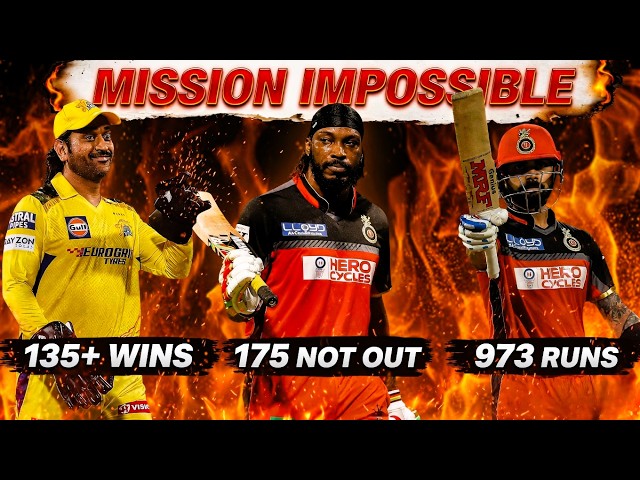
In IPL 2016, Virat Kohli scored 973 runs. The second highest single-season total in IPL history is Jos Buttler’s 863, set in 2022 in a season where RR built their entire batting strategy around Buttler getting maximum deliveries. Kohli is 110 runs ahead of that. To beat 973, a batter needs to average above 70 for an entire season and face enough balls to accumulate the runs. The IPL plays 14 league matches per team. A batter who scores 70 in every single innings would need to bat in 14 innings to reach 980. No batter in IPL history has averaged 70 for a full season. Kohli did it once. It has never been approached. It will not be approached.
Gayle’s 175* — The Score That Lives on a Different Planet
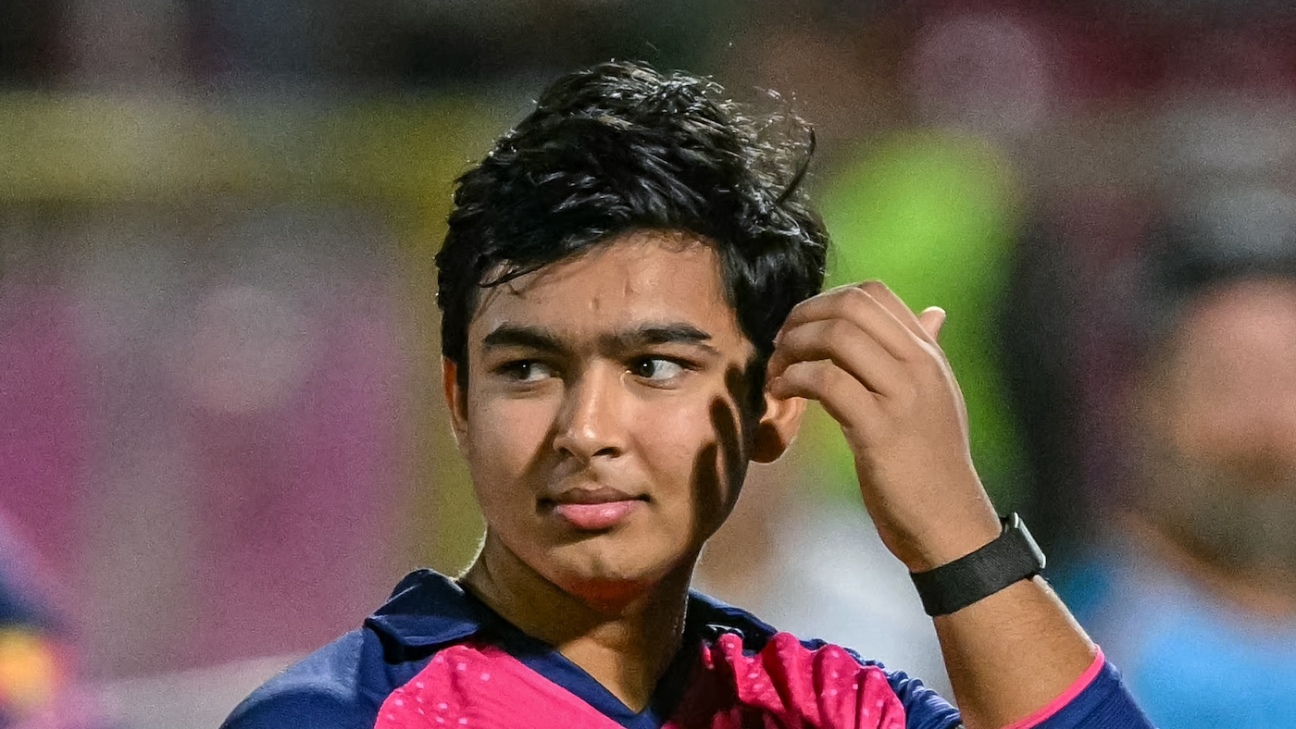
Chris Gayle’s 175 not out off 66 balls in 2013 is the highest individual score in IPL history. To beat it, a batter needs to score 176 — which means they need to score more runs than Gayle did in a single T20 innings while also featuring 17 or more sixes, OR score them in fewer balls. In the twelve years since Gayle set the record, the highest score any IPL batter has made is 158 — Abhishek Sharma in 2025. Gayle is 17 runs ahead. Joseph’s 6/12 bowling figures: to beat these, a bowler needs to take 6 wickets for fewer than 12 runs in their spell. In 17 seasons since 2019, nobody has taken more than 5 wickets in a single IPL spell. Nobody. Not once. And Suryavanshi’s age record — the youngest T20 centurion at 14 years and 32 days — is protected by biology, law, and the basic fact that producing a 14-year-old who can score an IPL century is something that happens, at best, once in a generation.
KKR’s 14-Match Winning Streak — The Team Record That Cannot Be Beaten
Between May 2014 and April 2015, Kolkata Knight Riders won 14 consecutive IPL matches. Fourteen T20 matches in a row against a rotating set of opponents who were all trying to beat them. The competition has existed for 18 seasons. No other franchise has managed more than 10 in a row. The statistical probability of winning 14 consecutive T20 matches — even for the best team in the competition — is vanishingly small. T20 is deliberately designed for variance: if anything can happen in 120 balls, then anything can end a winning streak too. KKR were extraordinary for that stretch. They were also lucky in the specific way that 14-match winning streaks require — three or four close matches that could have gone either way, that went their way. That combination of excellence and fortune is not repeatable on demand.
DID YOU KNOW? Of the five records covered in this story, four were set by Indian-based players or IPL regulars — and one (Gayle’s 175*) was set by a player who was initially unsold at auction. The most unbreakable record in the competition was set by someone who was almost never there to set it.
Final Verdict Five records. Five reasons they are permanent. The IPL’s greatest achievements are not just numbers — they are the outer limit of what a human being can do with a cricket bat or ball on a particular day when everything aligns perfectly. They should be celebrated. They will never be beaten.