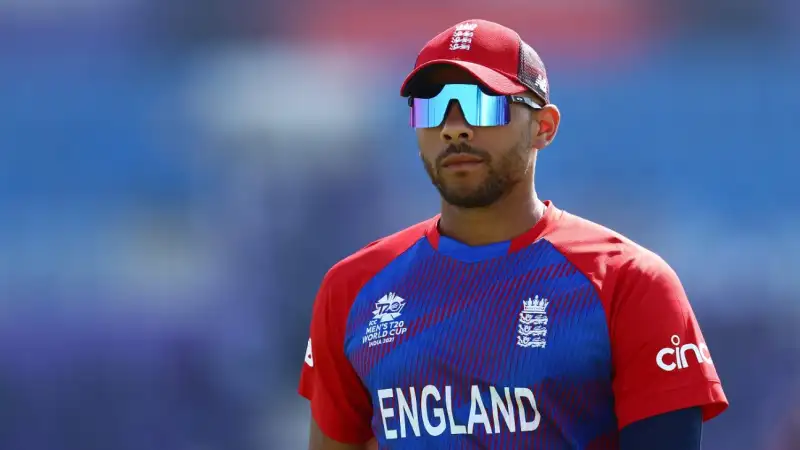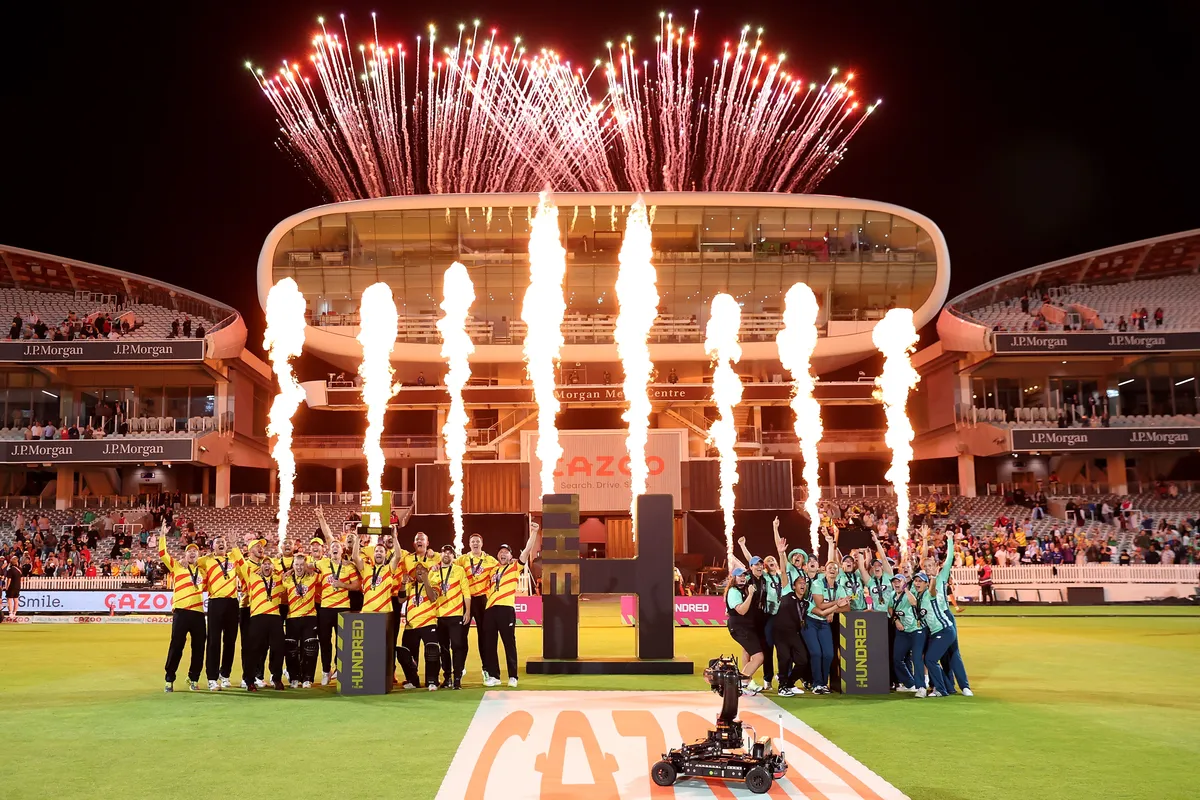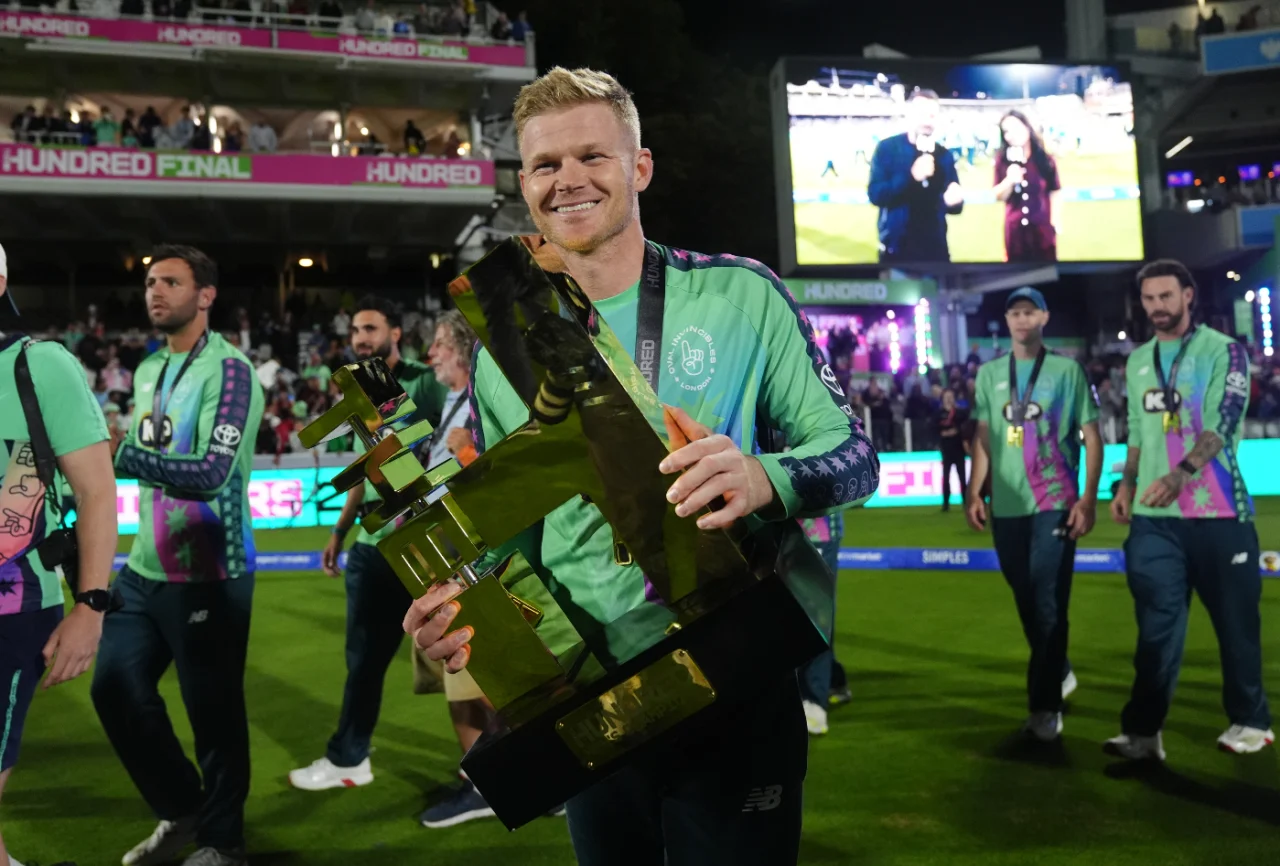
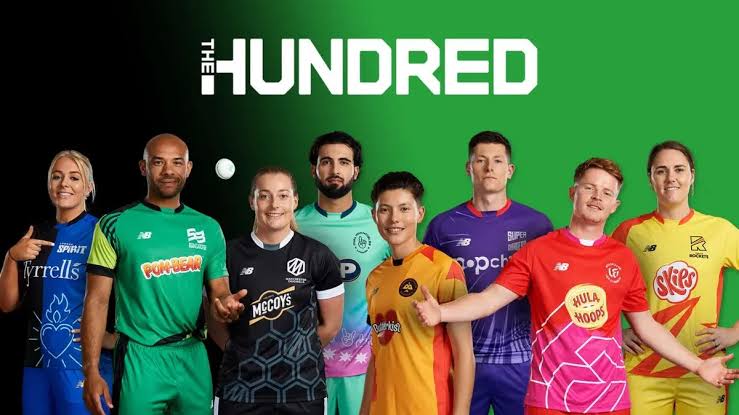


For five seasons, The Hundred built its squads the same way most franchise leagues start out — through a player draft, with teams picking in sequence from a shared pool. On 12 March 2026, that changed for good. At Piccadilly Lights in central London, The Hundred ran its first-ever player auction — competitive, real-time bidding, on the model that’s defined the IPL since 2008
Why the Switch
The move away from the draft wasn’t cosmetic. With all eight franchises now carrying private investment and genuine commercial stakes in building winning, marketable squads, the ECB concluded that a draft — where players are essentially allocated rather than chosen through competition — no longer fit a competition being run, in large part, by ownership groups who already build their squads through auctions elsewhere. Four of the eight Hundred franchises are owned by groups with an existing IPL presence; for them, an auction wasn’t a new system to learn. It was simply how they already do business.
The change came bundled with two other structural shifts: a rise in the overseas player quota from three to four per XI, and a broader push to raise salaries and star power across the competition — all designed, in the ECB’s framing, to lift The Hundred’s on-field standard to match its new financial scale.
How the Auction Worked
Players went into the pool sorted into three tiers based on the interest franchises had flagged in advance: Hero players first, followed by Ranked, then Nominated — a structure that let the day build toward its biggest names rather than front-loading them. Each of the eight franchises worked to a squad cap of 16 players, bidding against each other in real time as names came up.
The Biggest Storylines From Auction Day
Domestic names drew serious money. English players with Hundred experience and clear roles — among them James Coles and Jordan Cox — drew heavy competing bids, a sign that franchises were prepared to pay a premium for players who already understood the format rather than gambling purely on unproven overseas talent.
Overseas demand centred on control bowlers and finishers. Adil Rashid and Aiden Markram were among the most sought-after overseas names, reflecting what franchises consistently prioritise in a 100-ball format: wrist-spin control through the middle, and batting depth that can finish an innings without needing to see out a long, unfamiliar spell.
The Pakistan storyline became the day’s biggest talking point. In the lead-up to the auction, reports suggested the four Indian-ownership-linked franchises — MI London, Sunrisers Leeds, Manchester Super Giants and Southern Brave — might avoid signing Pakistani players altogether, prompting pointed criticism from the ECB and former England captain Michael Vaughan, who warned any nationality-based exclusion would breach the league’s anti-discrimination rules. Sunrisers Leeds answered that directly, signing Pakistan leg-spinner Abrar Ahmed for £190,000. Later in the day, Usman Tariq became the first Pakistani player sold at the auction, going to Birmingham Phoenix for £140,000 after a bidding contest with Trent Rockets — notably, both American-owned franchises rather than the Indian-linked group.
Some big names went unsold. Several established Pakistan internationals, including Shadab Khan and Haris Rauf, went unsold in the initial round — a reminder that even at auctions with significant money in play, fit and role matter as much as reputation. Players who go unsold typically remain available for later bidding rounds rather than being shut out of the tournament entirely.