

Introduction
In early 2009, the BCCI faced a problem that no cricket board had ever faced before: the Indian government had set the dates for the country’s general elections, and those dates overlapped directly with the IPL’s second season. Given security and infrastructure constraints around a billion-person election, the Board concluded that holding the IPL simultaneously in India was not possible. The solution, announced approximately three weeks before the season was due to start, was as remarkable as the problem: the entire IPL would be moved to South Africa. 59 matches. 8 franchises. Hundreds of players from around the world. Relocated across continents in less than 21 days.
The Logistics — Moving a League
The practical challenge of moving the IPL 2009 to South Africa was staggering. Venues had to be identified, negotiated, and prepared. Broadcasting infrastructure had to be set up. Security arrangements had to be made in an unfamiliar jurisdiction. Visa processes for 400+ players, coaches, officials, and support staff had to be accelerated. Hotel blocks had to be secured across 8 South African cities. Ground preparation crews had to be flown in. The entire operational infrastructure of a competition that normally takes months to build had to be reconstructed in weeks. The BCCI and its South African counterpart (Cricket South Africa) pulled it off. Every match was played. No venue failed. No security incident disrupted the competition.
Why South Africa and How It Changed the Competition
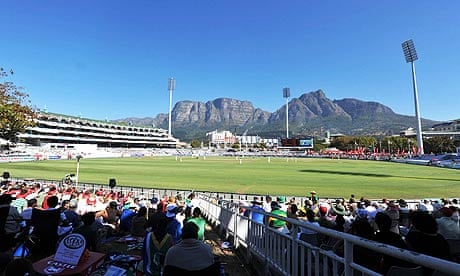
South Africa was chosen for logistical reasons: it had international-standard cricket grounds, existing IPL awareness, good infrastructure, and was willing to commit to the tournament’s organisational requirements quickly. The South African pitches — faster, bouncier, less favourable for spin than Indian surfaces — inadvertently levelled a playing field that Indian franchises normally dominate. Teams that had spent months preparing for specific Indian conditions found those advantages neutralised. Overseas players, more familiar with South African surfaces, found conditions that suited them. This produced one of the IPL’s most unpredictable seasons: the pre-tournament favourites struggled, and Deccan Chargers — who had finished last in 2008 — won the title under Adam Gilchrist’s captaincy.
The Legacy — Cricket’s Most Remarkable Logistical Achievement
The 2009 IPL South Africa operation injected approximately $100 million into the South African economy, generated massive television coverage across Africa, and demonstrated that the IPL’s commercial model was robust enough to survive uprooting from its home market entirely. It also established that T20 cricket could work anywhere — not just in the specific conditions of the Indian subcontinent that the format had been designed around. The 2009 experiment was cited repeatedly when subsequent ICC events were assigned to neutral venues, and when other T20 leagues began operations in New Zealand, Australia, and the Caribbean. Cricket’s most ambitious logistical crisis became its most complete logistical triumph.
DID YOU KNOW? The 2009 IPL attracted 500,000 spectators across South Africa — far more than local cricket events typically generate. Several South African cities that had never hosted international cricket at this scale discovered a new, passionate local audience for the game.
Final Verdict Three weeks’ notice. A continent to cross. 59 matches to stage. The 2009 IPL South Africa operation is the greatest organisational achievement in cricket’s administrative history — and the proof that the IPL was already, in only its second year, bigger than any single country’s capacity to contain it.