

Introduction
In 2023, the BCCI launched the Women’s Premier League — the women’s equivalent of the IPL, with five franchises, an auction system, overseas players, and the same marketing infrastructure that had made the men’s competition the world’s richest T20 tournament. In two seasons, the WPL has transformed the landscape of women’s T20 cricket globally. It has given international women cricketers financial security previously unavailable to any but the most elite. It has created a scouting pipeline for Indian women’s cricket similar to what the IPL created for the men’s game. And it has drawn television audiences that women’s cricket in India had never previously attracted.
The WPL Structure — What Was Created
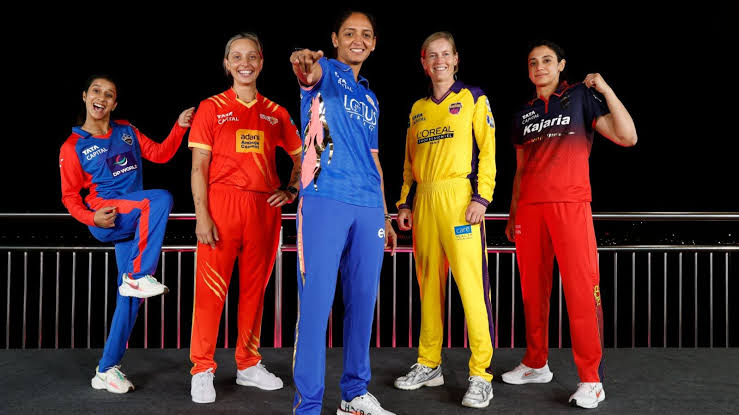
The Women’s Premier League features 5 franchises — Mumbai Indians Women, Delhi Capitals Women, Royal Challengers Bengaluru Women, Gujarat Giants, and UP Warriorz. Each franchise can have up to 18 players with a salary cap, and an auction system sets player prices. The first WPL auction in 2023 was transformative: international players like Smriti Mandhana (Mumbai Indians) and Sophie Ecclestone (UP Warriorz) were sold for sums that exceeded their total career earnings from previous cricket to that point. Indian cricketers who had never earned more than modest BCCI central contract amounts found themselves the subject of competitive bidding between five well-funded franchises.
What the WPL Did for Women’s Cricket
The WPL’s most important impact has been on the financial realities of women’s cricket. Before 2023, an Indian woman cricketer’s income was largely determined by their BCCI contract grade — the highest earning perhaps Rs. 50-70 lakh per year. A WPL contract adds significantly to this. International players from England, Australia, South Africa, and West Indies earn from their WPL contracts amounts that their national cricket boards cannot match. This financial shift has two consequences: it makes women’s cricket a more sustainable professional career, and it attracts higher quality athletes who might previously have pursued other sports where professional opportunities were more lucrative.
The Audience and What Comes Next
WPL matches in 2023 and 2024 generated television audiences that women’s T20 cricket had never attracted in India. Crowds at DY Patil Stadium in Mumbai and Delhi’s Arun Jaitley Stadium were substantial — 25,000-40,000 spectators. The audience watching on JioHotstar and Star Sports exceeded predictions in both years. The franchise structure — which gives fans a team to support rather than simply a national side — appears to work for women’s cricket as effectively as it did for men’s. By 2025, with Smriti Mandhana winning multiple WPL awards and Richa Ghosh establishing herself as one of the world’s most exciting T20 wicketkeeper-batters, the WPL had achieved what its architects hoped: a genuine commercial cricket product that could stand alongside international women’s cricket rather than simply depending on it.
DID YOU KNOW? Smriti Mandhana was sold for Rs. 3.4 crore in the inaugural WPL auction — the first time any women’s cricketer in India had been auctioned for that amount. The WPL has produced similar transformative moments for international players including Ellyse Perry, Nat Sciver-Brunt, and Sophie Ecclestone.
Final Verdict The Women’s Premier League is the IPL’s most important legacy — not the most financially significant, but the most socially meaningful. It took the model that transformed men’s cricket, applied it to women’s cricket, and gave a generation of women cricketers the professional infrastructure their talent has always deserved.