

Introduction
For most of Indian cricket’s history, if you were born in the right city — Mumbai, Delhi, Hyderabad, Chennai — you had a pathway. Good coaches. Proper grounds. Access to selectors who watched matches in your state. If you were born anywhere else, you relied on being so obviously brilliant that someone would eventually notice despite the obstacles. The IPL changed this completely. Ten franchise scouting teams, each with money to spend and a desperate need to find the next uncapped star before their rivals do, created a nationwide talent hunt that reaches into every corner of a 1.4 billion person country. The stories it has produced are some of Indian cricket’s most extraordinary.
The Examples That Changed Everything
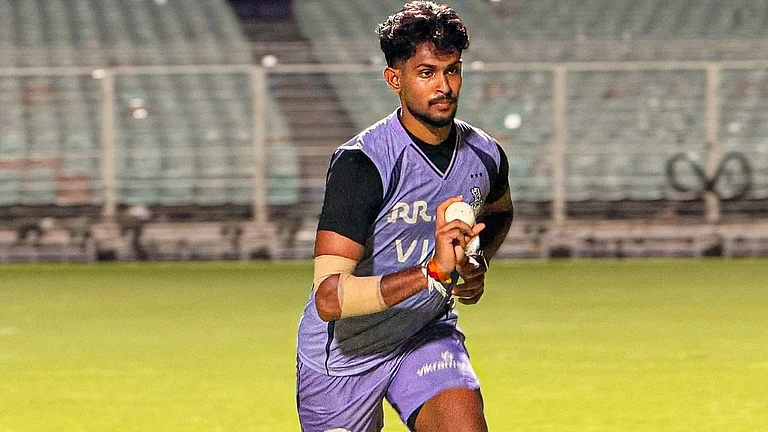
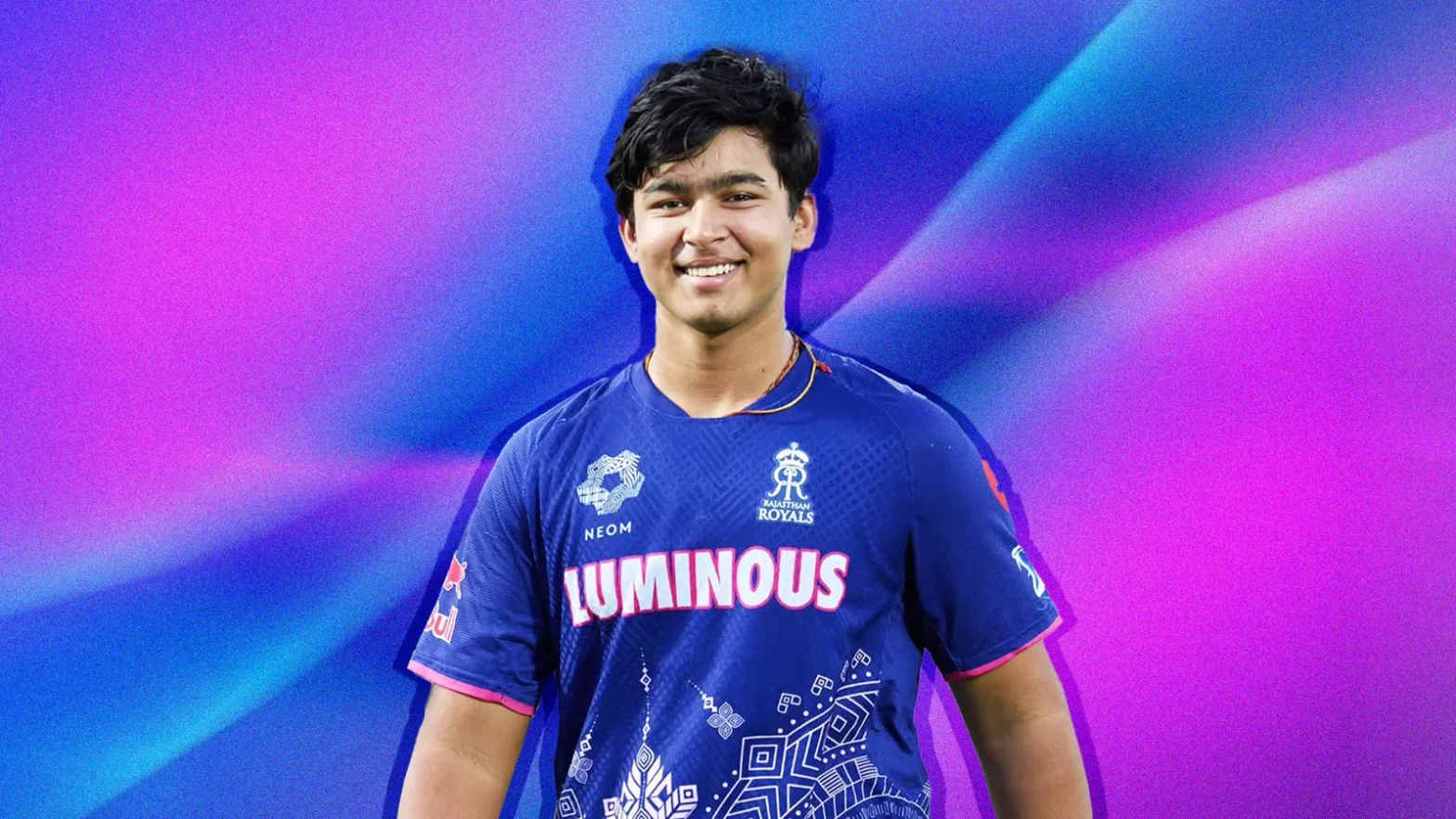
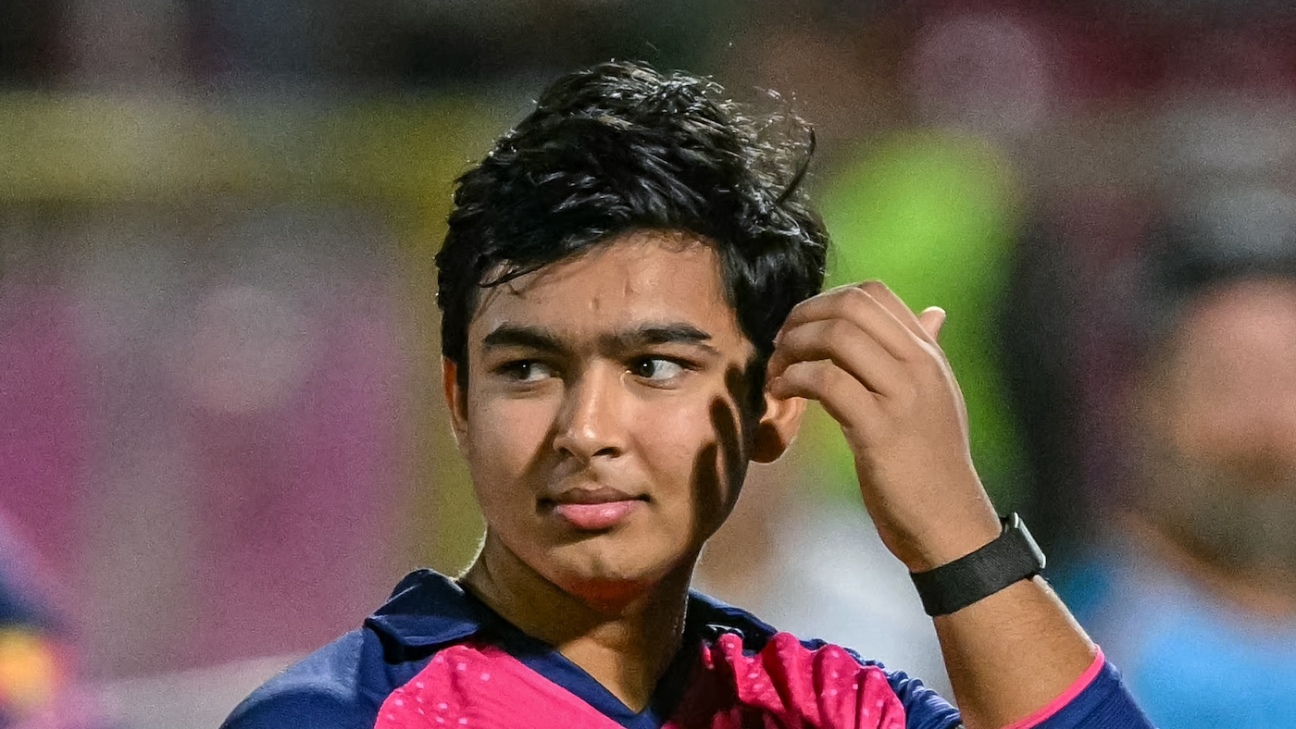
T. Natarajan from Salem — his father worked a powerloom machine, his mother sold food at a roadside stall, and he held a season ball for the first time at age 20. IPL scouts found him in the Tamil Nadu Premier League. By 2021, he was playing Tests for India in Australia. Vaibhav Suryavanshi from a small district in Bihar — his state had never produced an India cricketer — found by RR scouts at 13 years old. By 14, he had the fastest IPL century by an Indian in history. Rinku Singh from Aligarh, Uttar Pradesh — his father delivered gas cylinders, the family struggled — spent years on KKR’s bench until one evening he hit five consecutive sixes and became a national hero. Umran Malik from Jammu — the first cricketer from that city to play for India — was a net bowler before SRH’s scouts saw him bowl 157 km/h and changed his life.
What Changed — And Why It Was The IPL
Before the IPL, there was no financial reason for any private organisation to systematically scout cricket talent in Bihar or Jammu or Salem. After the IPL, there was an enormous financial reason: finding the next uncapped star before your rival franchise does, and buying them for a base price before they become expensive. The scouting race is fierce and the rewards are enormous — RR paid Rs. 1.1 crore for Suryavanshi and got the most searched cricketer in India within one season. CSK paid Rs. 14.20 crore for Prashant Veer, an uncapped fast bowler, because they identified him before anyone else did. Each franchise employs talent scouts who attend domestic T20 matches in every corner of the country. The result: no talent is invisible anymore. Bihar is watched. Jammu is watched. Every first-class state in India is watched.
What This Means for the Next Generation
The message that the IPL has sent to a 14-year-old cricket fan in any small town in India is revolutionary: talent is worth money, and money will find you wherever you are. You do not need to know the right people. You do not need to be from the right city. You need to be good enough that when a franchise scout watches your innings or your bowling spell in a state T20 match, they cannot look away. The Syed Mushtaq Ali Trophy — India’s domestic T20 competition — was barely watched before the IPL. Now it is attended by franchise representatives with specific talent briefs. Players who score 50 in 20 balls in a SMAT match sometimes receive phone calls within 24 hours. The pipeline that produced Rinku and Natarajan and Suryavanshi is not going anywhere. It is getting wider and deeper every single year.
DID YOU KNOW? Vaibhav Suryavanshi was 13 years old when he was bought at IPL auction by Rajasthan Royals. The Rs. 1.1 crore they paid him was more money than his family’s combined income across multiple years. By 14, he had scored the fastest century by an Indian in IPL history. Bihar, his home state, had never previously produced a player of this prominence in Indian cricket.
Final Verdict The IPL did not just change how cricket is played. It changed who gets to play. The next Kohli might be from Jammu. The next Bumrah might be from Bihar. The next Dhoni might be from a city you have never heard of. And because the IPL’s scouts are watching everywhere, that talent will be found.