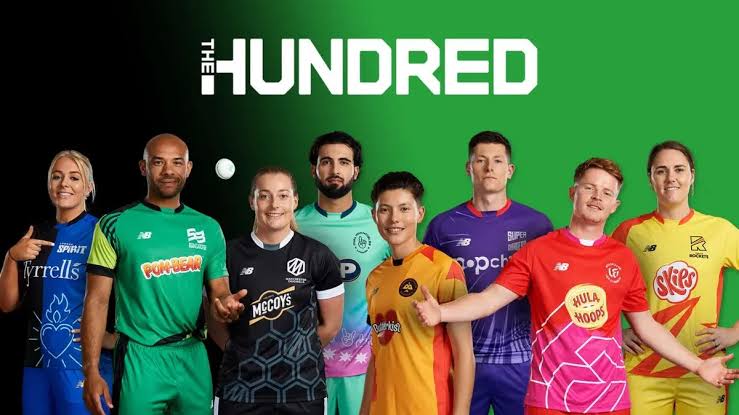
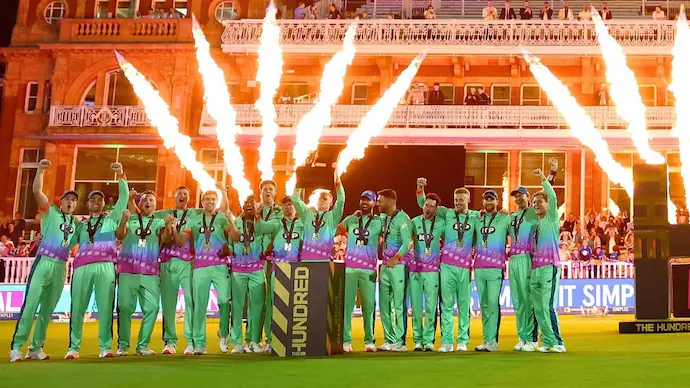


If you’ve followed the IPL for any length of time, the 2026 team sheet for The Hundred will feel oddly familiar. MI London. Sunrisers Leeds. Manchester Super Giants, backed by the same group that owns Lucknow Super Giants. Southern Brave, now part-owned by the operator of Delhi Capitals’ cross-city rival group, GMR. This isn’t coincidence — it’s the biggest single shift in The Hundred’s short history, and it changes how Indian fans should think about this tournament.
The Deals, Team by Team
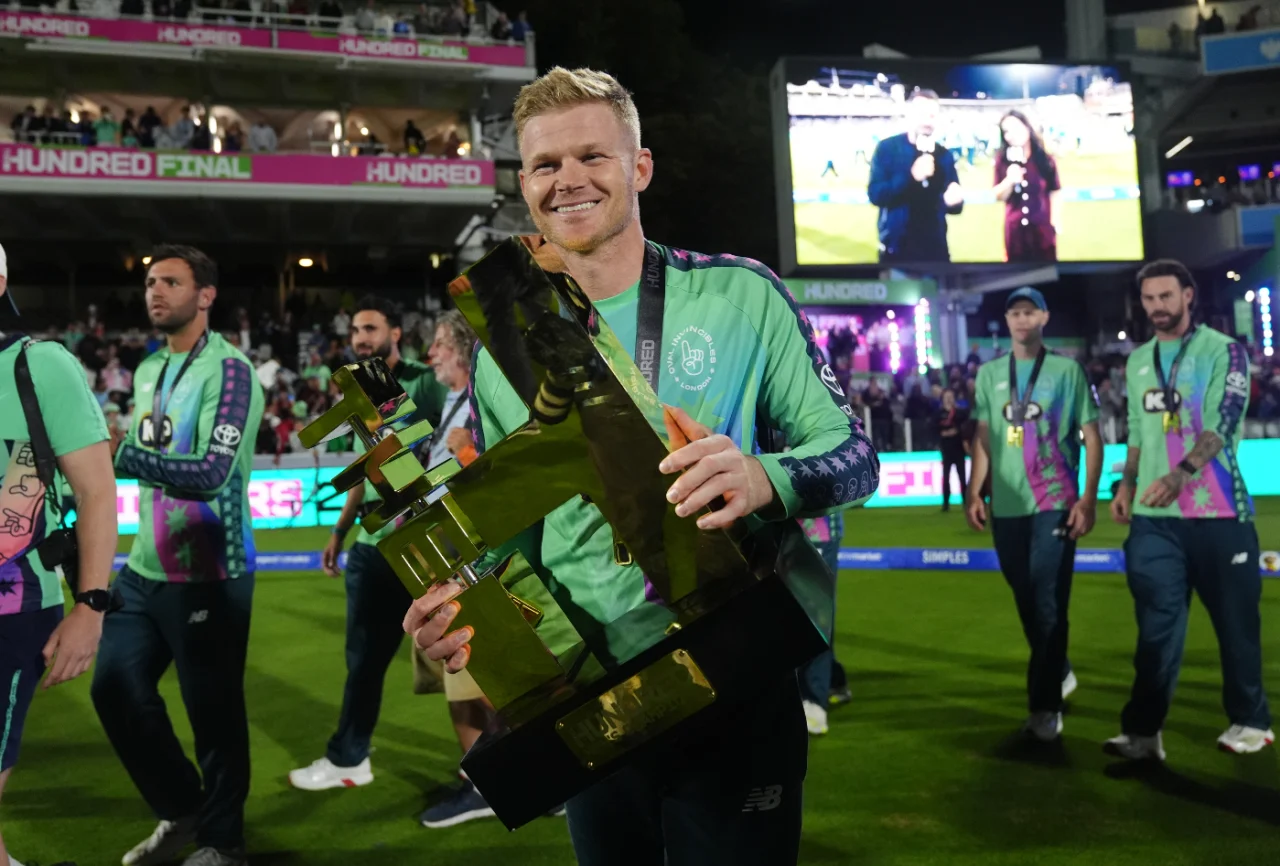
MI London (formerly Oval Invincibles) — Reliance Industries. The same group behind Mumbai Indians took a stake in the London franchise, and the rebrand followed almost immediately — Oval Invincibles became MI London, extending the “MI” brand that already covers teams in the IPL (Mumbai Indians), the UAE’s ILT20 (MI Emirates), the SA20 (MI Cape Town) and the Caribbean’s CPL (MI New York).
Sunrisers Leeds (formerly Northern Superchargers) — Sun Group. Yorkshire sold its entire stake in the Superchargers to Sun Group for a reported figure around £100m — the same ownership group behind Sunrisers Hyderabad in the IPL and Sunrisers Eastern Cape in South Africa’s SA20. The rebrand keeps the “Sunrisers” identity consistent across all three franchises.
Manchester Super Giants (formerly Manchester Originals) — RPSG Group. Lancashire sold 70% of the Manchester franchise to the RP-Sanjiv Goenka Group for roughly £81m, giving RPSG its third global franchise cricket team alongside Lucknow Super Giants in the IPL and Mohun Bagan Super Giant — the latter a name Indian football and cricket fans in Kolkata will know well.
Southern Brave — GMR Group. Hampshire sold a 49% stake in Southern Brave to GMR Group for around £48m. GMR already co-owns Delhi Capitals in the IPL, extending its cricket footprint into England.
That’s four of the eight Hundred franchises now under ownership groups with an existing IPL presence — before even counting the American capital that’s flowed into the other four teams, including Chelsea co-owner Todd Boehly’s stake in Trent Rockets and Birmingham City’s ownership group taking a piece of Birmingham Phoenix.
Why This Happened
For its first four seasons, The Hundred operated as an ECB-run competition with host counties holding notional ownership stakes and no real path to outside investment. That changed in 2024, when the ECB secured county support to open the door to private capital — host counties would keep 51% of their franchise, with the ECB’s 49% share available for sale to outside investors. County boards were also given room to sell down their own portion if they chose.
The ECB had already turned down one offer — reportedly £400m for 75% of the competition from buyout firm Bridgepoint — before the county-by-county sale process kicked off in earnest through 2025. What followed was a rapid sequence of deals that saw all eight franchises take on outside investment inside about twelve months, pushing the tournament’s total valuation past £975m.
What It Means on the Field
The most visible change is the auction. Every previous Hundred season used a player draft; from 2026, squads are built through an IPL-style auction, complete with tiered player pools (Hero, Ranked and Nominated categories) and competitive bidding. The inaugural auction, held on 12 March 2026 at Piccadilly Lights in London, played out with the same intensity fans associate with IPL auction day — sharp bidding wars for domestic stars like James Coles and Jordan Cox, and heavy overseas interest in names like Adil Rashid and Aiden Markram.
The overseas quota has also expanded from three to four players per XI, a change that widens the pool of international talent — including more Indian-adjacent storylines, given how many of these ownership groups already have relationships with players across their other franchises.
The Storyline Indian Fans Should Actually Watch
Beyond the ownership overlap, there’s a real subplot worth tracking: reports in the build-up to the 2026 auction suggested some of the Indian-owned franchises were cautious about signing Pakistani players, prompting concern from the ECB and former England captain Michael Vaughan about discrimination rules. Sunrisers Leeds pushed back on that narrative directly by signing Pakistan leg-spinner Abrar Ahmed for £190,000, with Birmingham Phoenix — a US-owned franchise — later signing Usman Tariq, the first Pakistani player sold at the auction.
It’s a reminder that while the ownership map now looks a lot like the IPL’s, the players, politics and market dynamics of English cricket are still very much their own.
The Bigger Picture
For a tournament that faced genuine skepticism at launch — traditionalist backlash, awkward branding, a format some fans still don’t love — The Hundred has become, almost by accident, the clearest evidence yet that IPL-style franchise ownership travels. Four of English cricket’s eight biggest domestic teams are now run, at least in part, by the same groups building franchise portfolios across South Africa, the UAE, the Caribbean and the US. Whether that model lifts The Hundred’s on-field standard the way it has the IPL’s is the story of the next several seasons — starting with the one that begins on 21 July.